
Bilateral renal artery stenosis means narrowing of the arteries supplying both kidneys. It can contribute to difficult-to-control blood pressure and impaired kidney function. Renal artery stenting may be considered for selected patients; finding a narrowing on a scan does not automatically mean a stent is needed.
Symptoms and reasons for assessment
Renal artery disease may have no specific symptoms. Assessment may be prompted by resistant hypertension, worsening kidney function or recurrent episodes of fluid in the lungs. These problems can have other causes, so diagnosis needs a review of the whole medical history.
Tests before considering a stent
The team reviews blood pressure readings, medicines and kidney blood tests. Doppler ultrasound, CT angiography or MR angiography may help assess the renal arteries. The choice of scan takes kidney function and contrast risks into account. Angiography may be used when planning treatment.
Medicines, monitoring and selected intervention
Many patients are managed with blood pressure medicines, cholesterol and vascular risk-factor treatment, and monitoring. Studies have not shown a routine benefit from stenting for every person with atherosclerotic renal artery narrowing. Intervention may be considered when severe disease is associated with specific clinical problems despite appropriate care. A nephrologist and vascular/interventional team can help weigh the options.
How angioplasty and stenting work
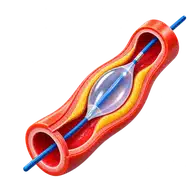
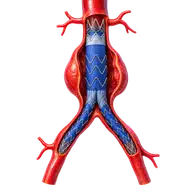
Through a small arterial access, a catheter reaches the narrowed renal artery under imaging guidance. A balloon widens the segment and a stent may be placed to support it. Treating one or both arteries depends on the findings and clinical plan. The aim is to improve blood supply where this is expected to provide clinical benefit.
Risks and follow-up
Risks include access-site bleeding, artery injury, contrast reactions, deterioration in kidney function and later re-narrowing. Better blood pressure or kidney function is not guaranteed. Follow-up includes blood pressure checks, kidney tests and imaging when advised. Continue medicines as prescribed.
Vascular review in Vijayawada
Bring recent creatinine results, blood pressure records, scan images and all current prescriptions. Learn about vascular treatment options or arrange a consultation with Dr Bhavani Shankar Manam, Vascular & Interventional Radiologist.