Prostatic Artery Embolisation for Enlarged Prostate in Vijayawada
Prostatic artery embolisation (PAE) is a catheter-based treatment for selected men with urinary symptoms caused by benign prostatic enlargement. Tiny particles are delivered to prostate arteries to reduce blood supply, allowing the gland to shrink gradually.
Benign prostatic hyperplasia (BPH) can cause a weak stream, straining, urgency, frequent urination, incomplete emptying and repeated night-time urination. Similar symptoms can have other causes, including infection, bladder problems and prostate cancer, so a urology evaluation is essential before PAE.
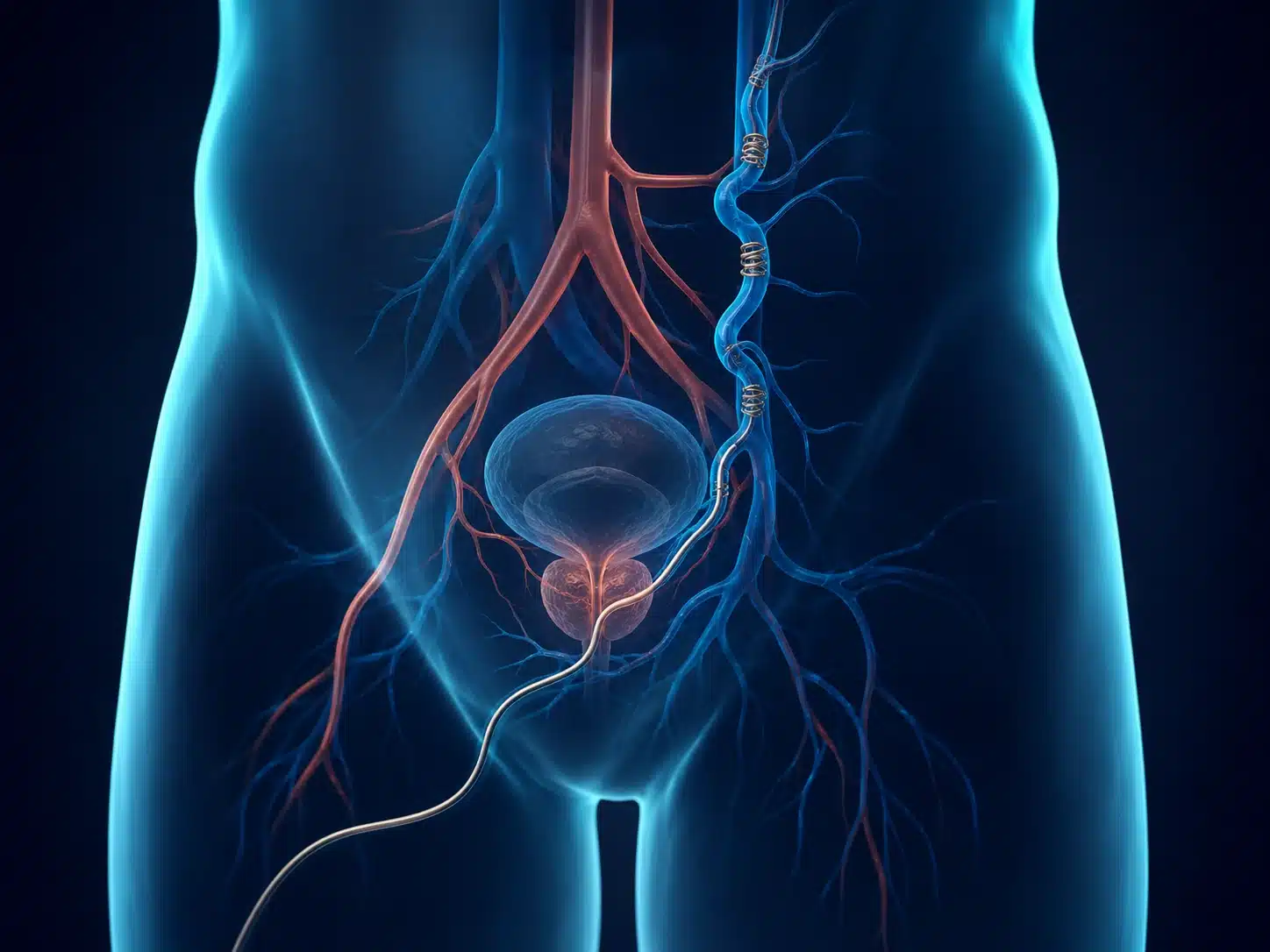
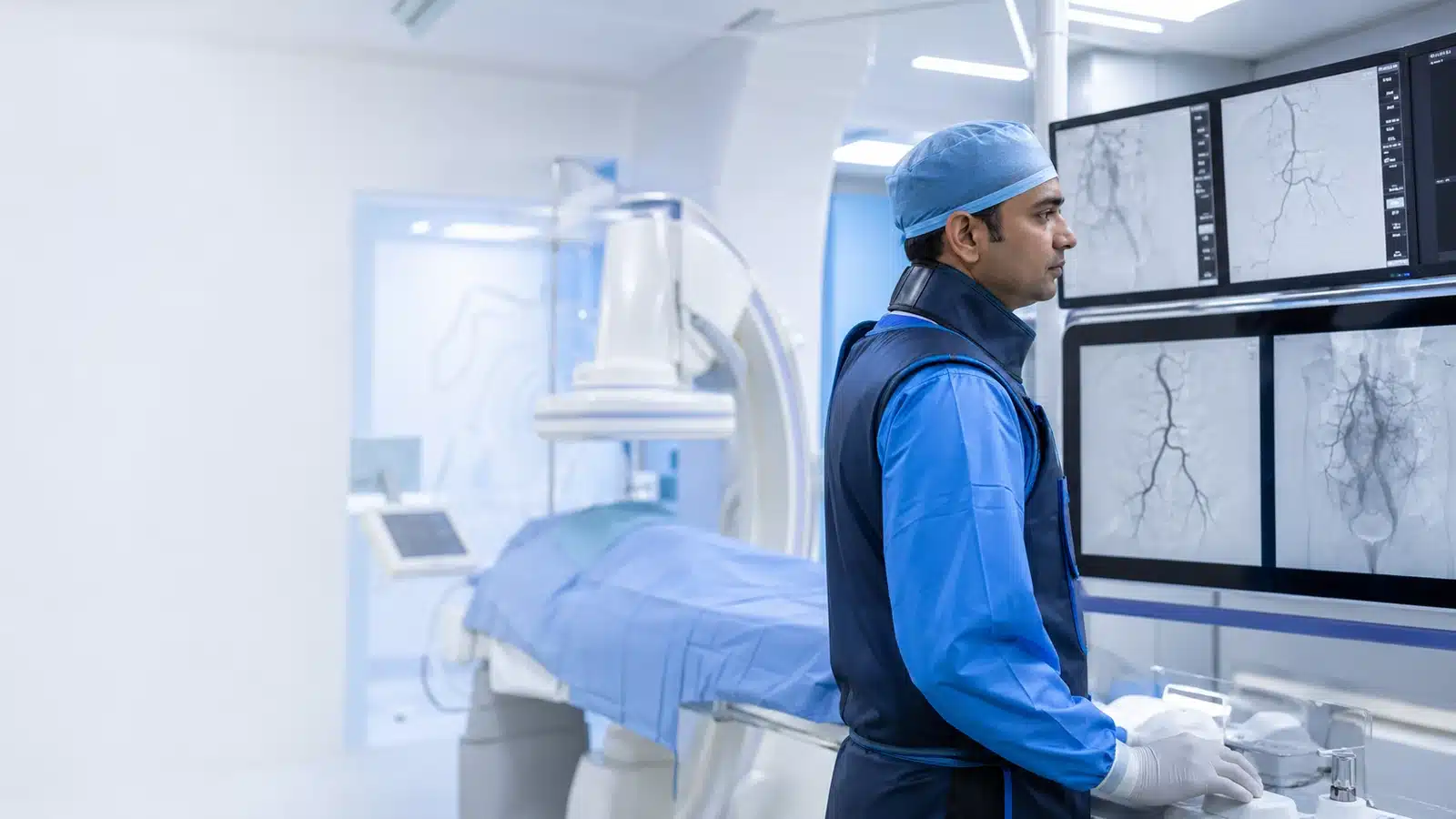
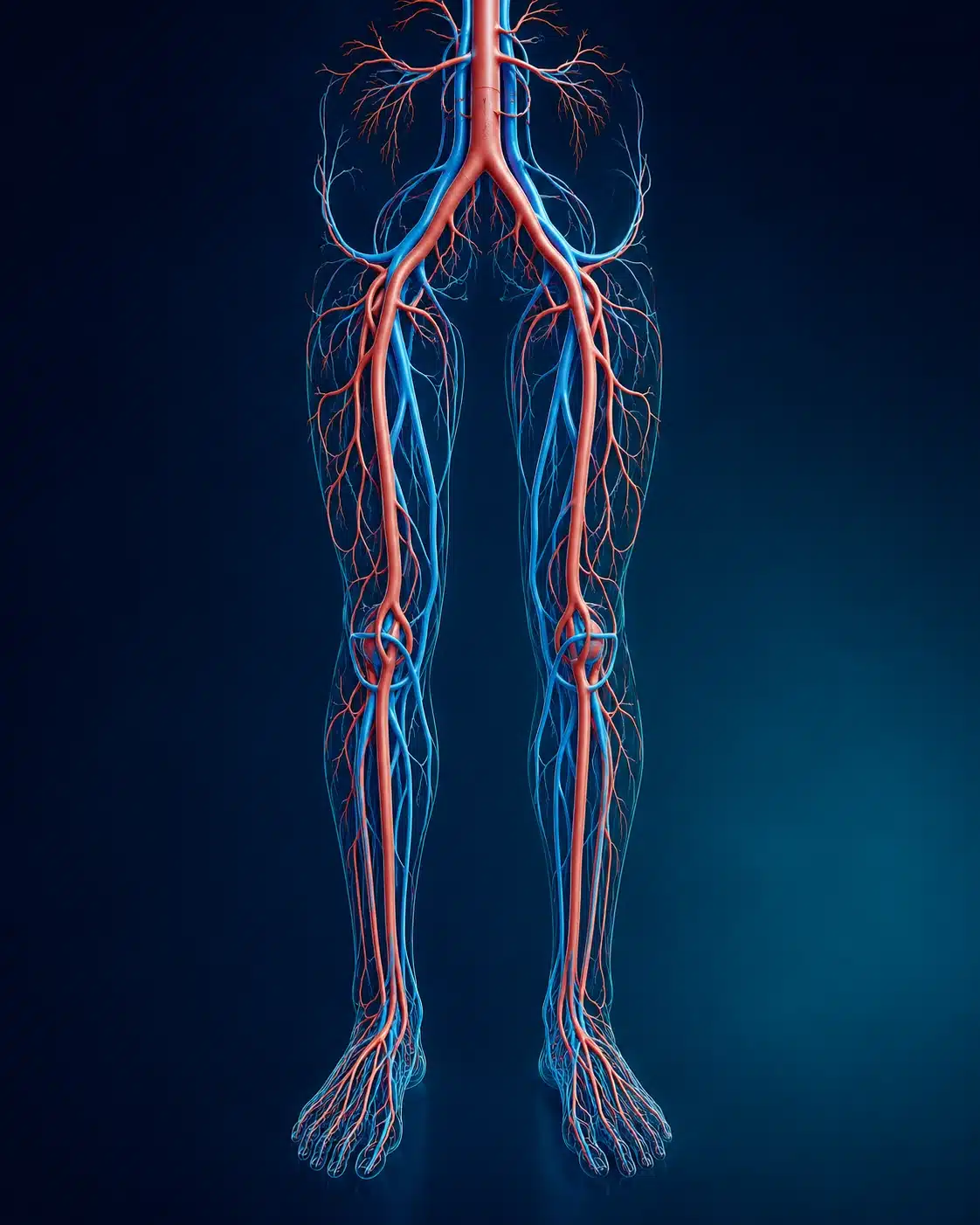
During prostatic artery embolisation in Vijayawada, an interventional radiologist maps the pelvic arteries with angiography and advanced imaging. A microcatheter is placed selectively into each prostate artery, and controlled particles are delivered while protecting nearby branches.
Symptoms typically improve gradually rather than immediately. PAE may be considered when medicines are insufficient or poorly tolerated and when the patient’s prostate size, anatomy and goals fit the procedure. Urological surgery remains a better option for some men.
Understanding the condition and treatment pathway
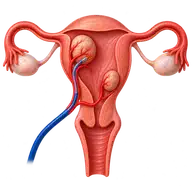
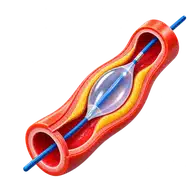
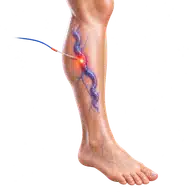
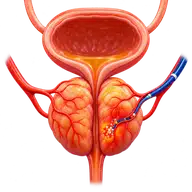
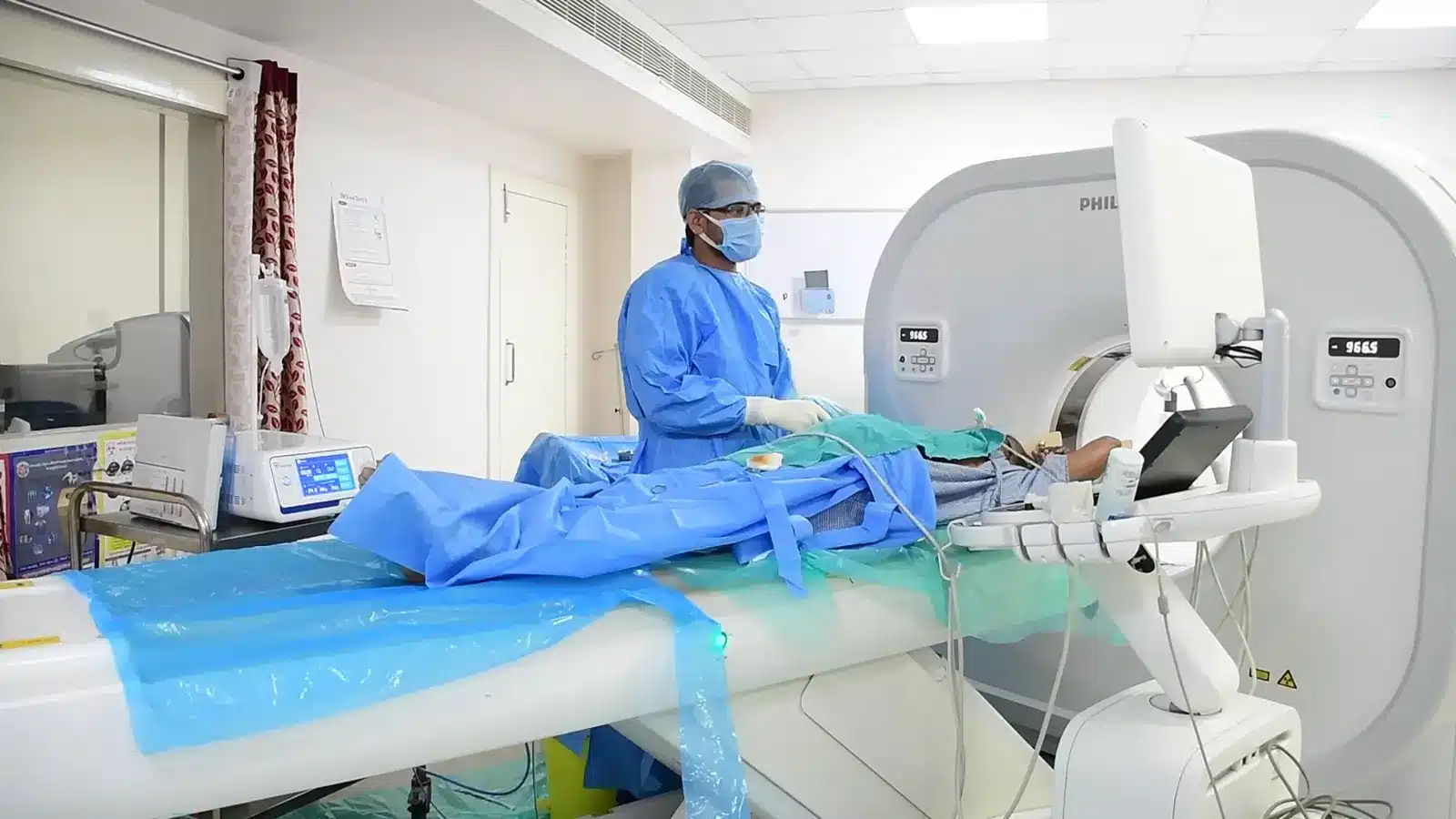
These medical visuals show the anatomy, treatment target and image-guided route involved in Prostatic Artery Embolisation. The actual procedure plan is based on the patient’s scans, symptoms and overall health.
Signs and symptoms
✓
Weak or interrupted urine stream
✓
Urgency and frequent urination
✓
Repeated night-time urination
✓
Feeling that the bladder does not empty
Evaluation & planning
✓
Urology assessment and symptom score
✓
Urine, kidney and PSA review as appropriate
✓
Prostate imaging and flow testing
✓
CT angiography when required for planning
A precise, image-guided pathway
During Prostatic Artery Embolisation, imaging helps the interventional radiologist follow the anatomy, position the catheter or needle and confirm the treatment target. The exact technique and devices are chosen for the patient’s diagnosis and scan findings.
01
A wrist or groin artery is accessed.
02
Pelvic angiography maps the prostate blood supply.
03
A microcatheter selects the target arteries.
04
Tiny particles are delivered carefully on each suitable side.
Recovery and follow-up
Temporary frequency, burning, pelvic discomfort or fatigue can occur. Medicines and hydration instructions are provided. Symptom and flow improvement is assessed during follow-up over the following weeks and months.
Before discharge, the team explains medicines, activity, wound or access-site care, expected symptoms and the warning signs that should prompt urgent review. Follow-up timing depends on the condition and may include Doppler, CT, MRI, blood tests or consultation with another specialist.
Consultant Vascular & Interventional Radiologist with experience across vascular, non-vascular and oncological image-guided procedures and more than 3,000 cases. Every treatment plan begins with a review of symptoms, reports and imaging, followed by a clear discussion of suitable options.