Prostatic Artery Embolisation for Enlarged Prostate in Vijayawada
Prostatic artery embolisation in Vijayawada is an image-guided treatment option for selected men with urinary symptoms caused by benign prostate enlargement (BPH). A vascular and interventional radiologist delivers tiny particles into the prostate’s arterial supply. Reduced blood flow allows the gland to shrink gradually. A urology assessment first checks whether an enlarged prostate is the cause of the symptoms.
Understanding Prostatic Artery Embolisation
Benign prostatic hyperplasia (BPH) can cause a weak stream, straining, urgency, frequent urination, incomplete emptying and repeated night-time urination. Similar symptoms can have other causes, including infection, bladder problems and prostate cancer, so a urology evaluation is essential before PAE.
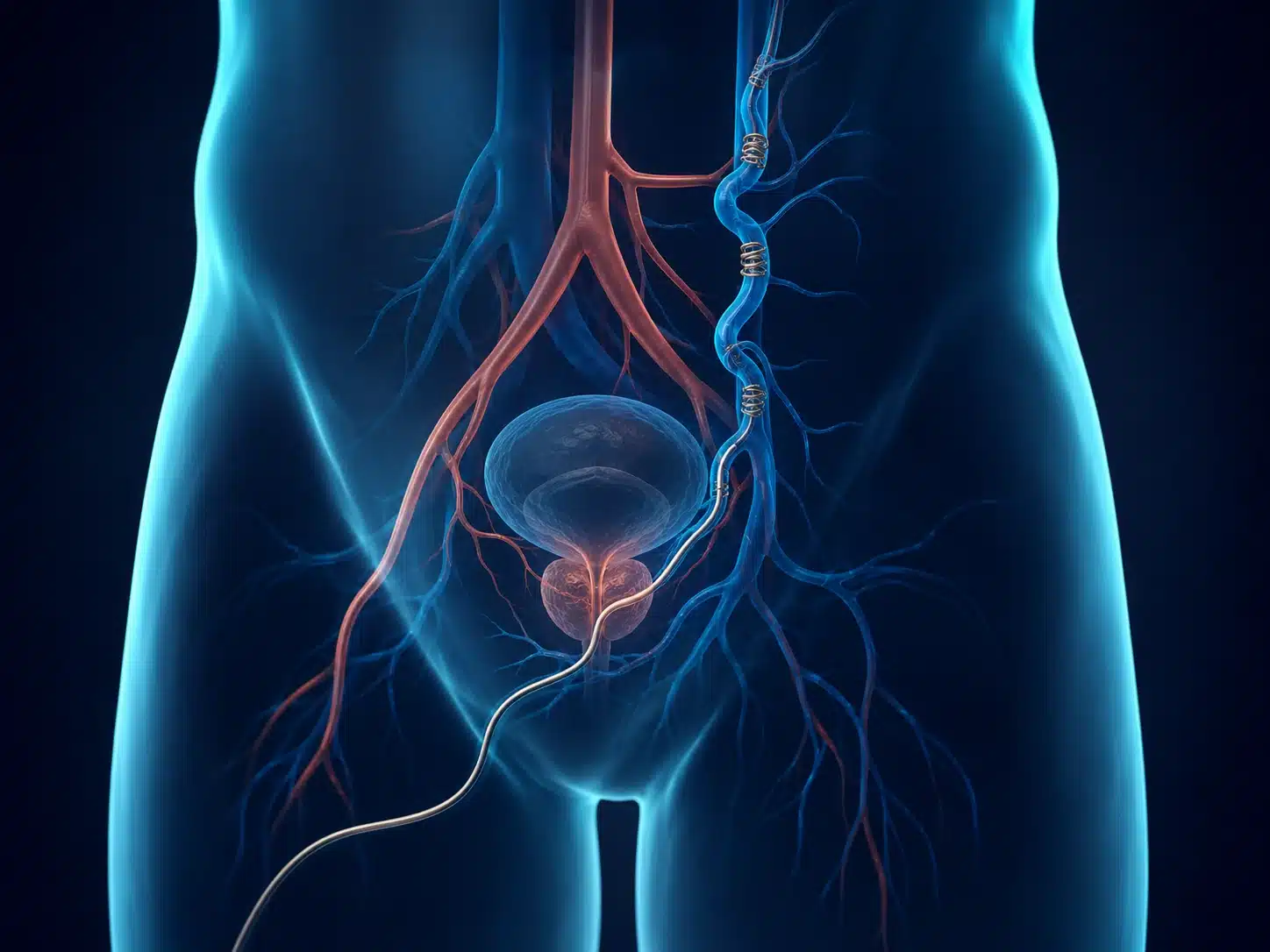
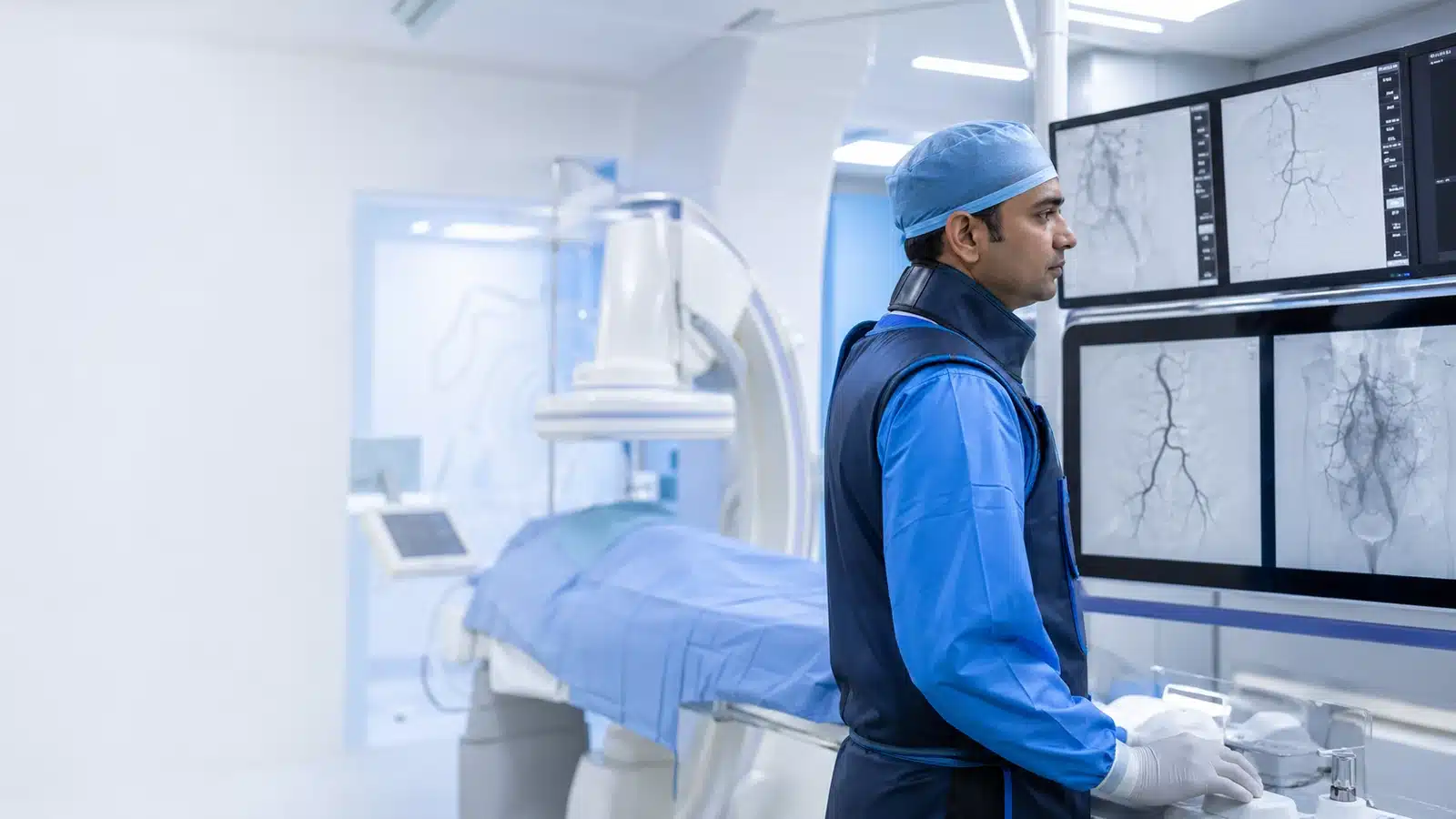
During prostatic artery embolisation in Vijayawada, an interventional radiologist maps the pelvic arteries with angiography and advanced imaging. A microcatheter is placed selectively into each prostate artery, and controlled particles are delivered while protecting nearby branches.
PAE may be discussed when enlarged-prostate symptoms remain troublesome despite medicines, or medicines cause unwanted effects. Assessment can include symptom scoring, urine tests, prostate imaging, urine-flow measurement, residual urine and PSA testing when appropriate. Kidney function, medicines, catheter use and pelvic vascular anatomy also affect planning. Compare PAE with continued medication and urological procedures. It does not treat prostate cancer, and improvement is gradual rather than immediate.
Understanding the condition and treatment pathway
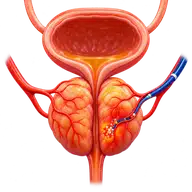
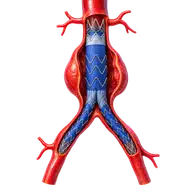
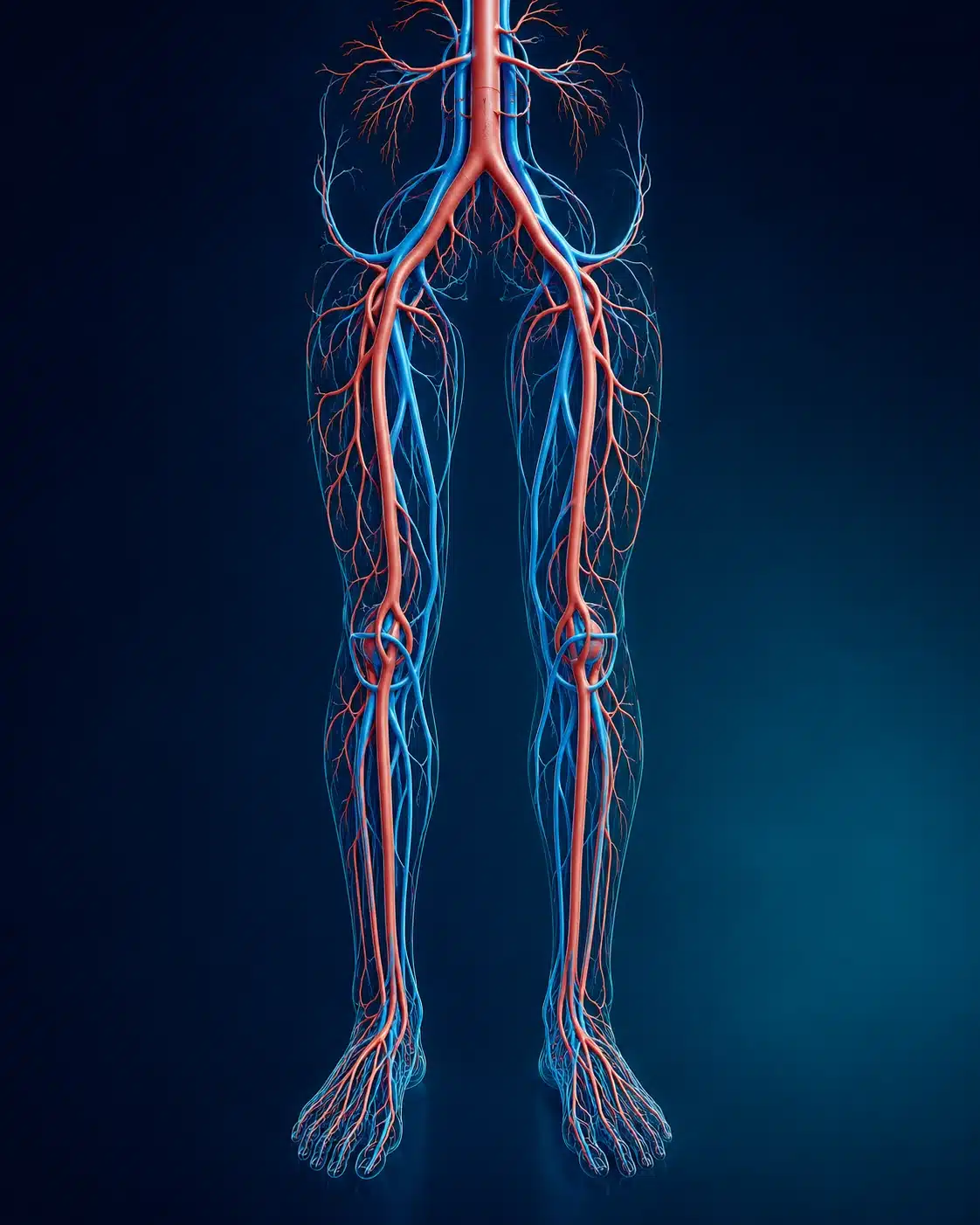
These medical visuals show the anatomy, treatment target and image-guided route involved in Prostatic Artery Embolisation . The actual procedure plan is based on the patient’s scans, symptoms and overall health.
Signs and symptoms
Evaluation & planning
A precise, image-guided pathway
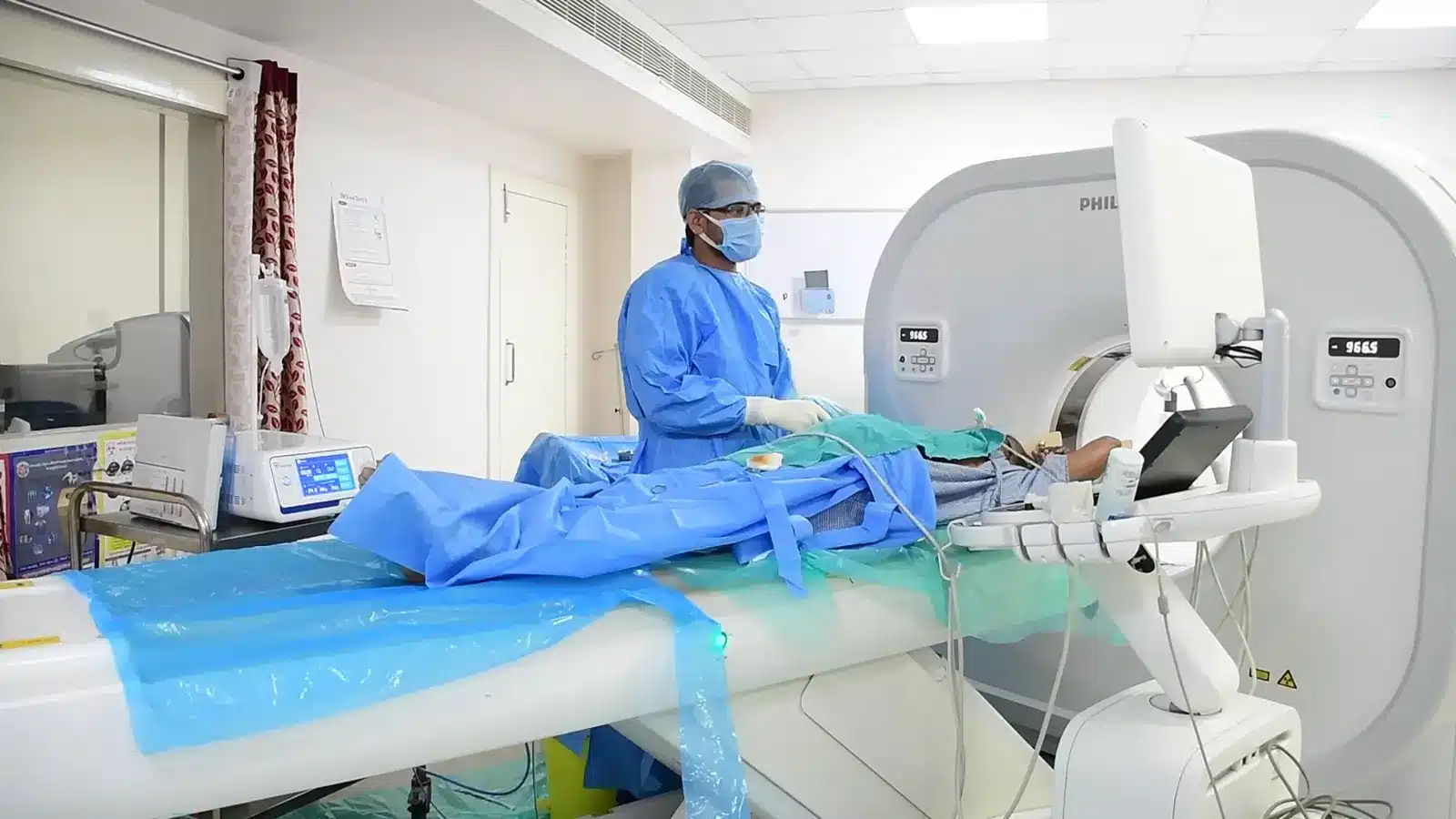
During Prostatic Artery Embolisation , imaging helps the interventional radiologist follow the anatomy, position the catheter or needle and confirm the treatment target. The exact technique and devices are chosen for the patient’s diagnosis and scan findings.
A wrist or groin artery is accessed.
Pelvic angiography maps the prostate blood supply.
A microcatheter selects the target arteries.
Tiny particles are delivered carefully on each suitable side.

Recovery and follow-up
Temporary frequency, burning, pelvic discomfort or fatigue can occur. Medicines and hydration instructions are provided. Symptom and flow improvement is assessed during follow-up over the following weeks and months.
Follow-up after prostate artery embolisation reviews urinary symptoms, flow and bladder emptying. Some men need temporary catheter support or later treatment. Bleeding at the access site, infection, contrast reaction and unintended embolisation of nearby tissues are possible risks. Seek urgent care for inability to pass urine, fever or severe worsening pain. Bring urology notes, scan reports and your medicine list to the Vijayawada consultation. Dr. Bhavani Shankar Manam discusses the image-guided option alongside the urologist’s findings.

Meet Dr. M. Bhavani Shankar Manam
MBBS, MD, DNB (Radio Diagnosis), FIVR
Consultant Vascular & Interventional Radiologist with experience across vascular, non-vascular and oncological image-guided procedures and more than 3,000 cases. Every treatment plan begins with a review of symptoms, reports and imaging, followed by a clear discussion of suitable options.
Frequently asked questions
These answers are general and cannot determine your suitability without clinical review.
Usually not. The prostate shrinks gradually and urinary symptoms may improve over weeks to months.
No. Urology review, symptoms, anatomy, prostate size and other health factors guide selection.
Yes. Ongoing urology care and appropriate PSA or cancer evaluation remain important.