Postpartum bleeding and suspected uterine vascular abnormality
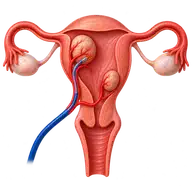
The original clinic report describes a 32-year-old woman with previous surgeries who developed recurrent bleeding after childbirth. Two months after delivery, she was experiencing intermittent episodes that were sometimes heavy. Imaging raised concern about an abnormal uterine blood vessel, and uterine artery embolisation was planned.
Assessment before embolisation
Abnormal vascular connections in the uterus can cause substantial bleeding. Imaging helps identify the source and distinguish a vascular malformation from other postpartum causes. Treatment must be based on the clinical examination and scan findings, rather than assuming that all bleeding after delivery is an arteriovenous malformation.
The reported procedure
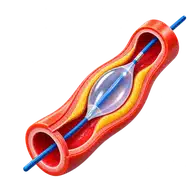
The report describes catheter-based embolisation to block the abnormal vessels supplying the bleeding area. Under imaging guidance, the radiologist delivers embolic material selectively. The material and extent of treatment depend on the vessel pattern and the patient’s condition.
Follow-up recorded in the case
At the two-week follow-up described in the original account, the patient reported that the intermittent and heavy bleeding had subsided. No claim about future fertility or later pregnancy can be made from this short follow-up.
Patient questions and safety
Discuss alternatives, bleeding and infection risks, the possibility of repeat treatment, and future pregnancy plans with the gynaecology and interventional teams. Heavy postpartum bleeding, dizziness or fainting requires urgent hospital care.
For planned review in Vijayawada, bring ultrasound and other scan images, delivery records and previous procedure details. Read about uterine artery embolisation for a related but different indication, or contact the clinic for an appointment.