Embolization for Gastrointestinal Bleeding in Vijayawada
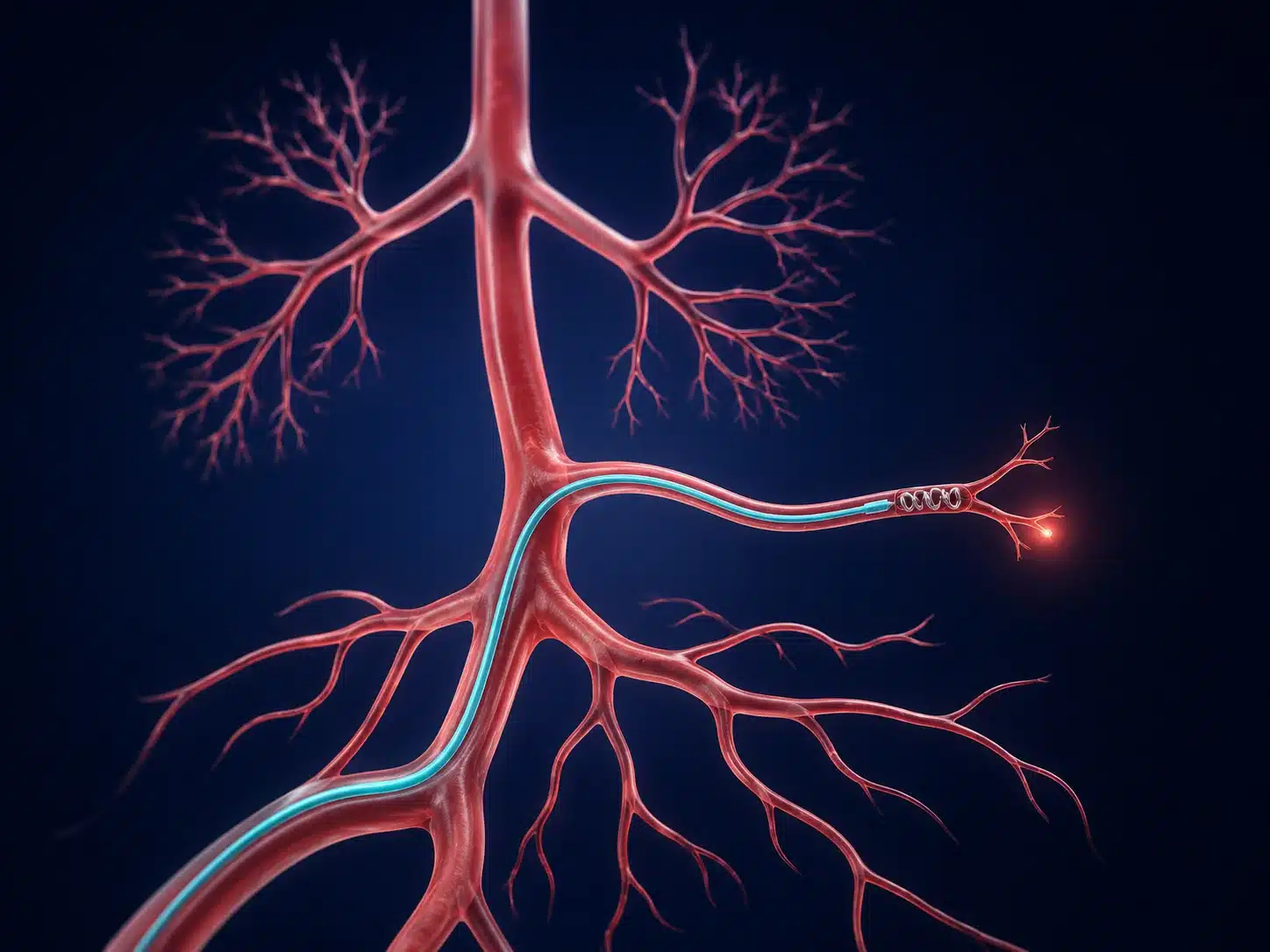
GI bleeding embolization in Vijayawada is considered for selected digestive-tract bleeding when endoscopic treatment is unsuccessful, unsuitable or imaging identifies an arterial source. A vascular and interventional radiologist guides a catheter close to the bleeding vessel and delivers an embolic material. The aim is to stop the bleeding while protecting circulation to healthy bowel. Vomiting blood, collapse or bleeding with marked weakness needs emergency care.
Understanding GI Bleeding Embolization
Gastrointestinal bleeding can present as vomiting blood, black stools, maroon stools, fresh rectal bleeding, dizziness, weakness or low blood pressure. Causes include ulcers, tumours, diverticular bleeding, post-surgical bleeding, vascular lesions and pseudoaneurysms.
In GI bleeding embolization in Vijayawada, angiography searches for contrast leak or an abnormal artery. A microcatheter is advanced close to the source and coils, particles, liquid embolic or another device is selected for the anatomy. Endoscopy, surgery and interventional radiology work together.
Gastrointestinal bleeding assessment starts with stabilisation and tests chosen for the patient’s condition. Endoscopy, CT angiography and catheter angiography serve different roles in locating and treating the source. Bleeding may be intermittent, so an artery is not always identifiable during angiography. Decisions involve the gastroenterologist, interventional radiologist and surgical team. Report blood-thinning medicines, kidney problems and contrast allergies; changes to prescribed medicines require instructions from the treating team.
Understanding the condition and treatment pathway
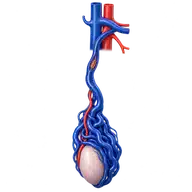
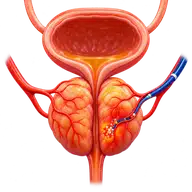
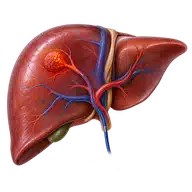
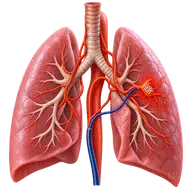
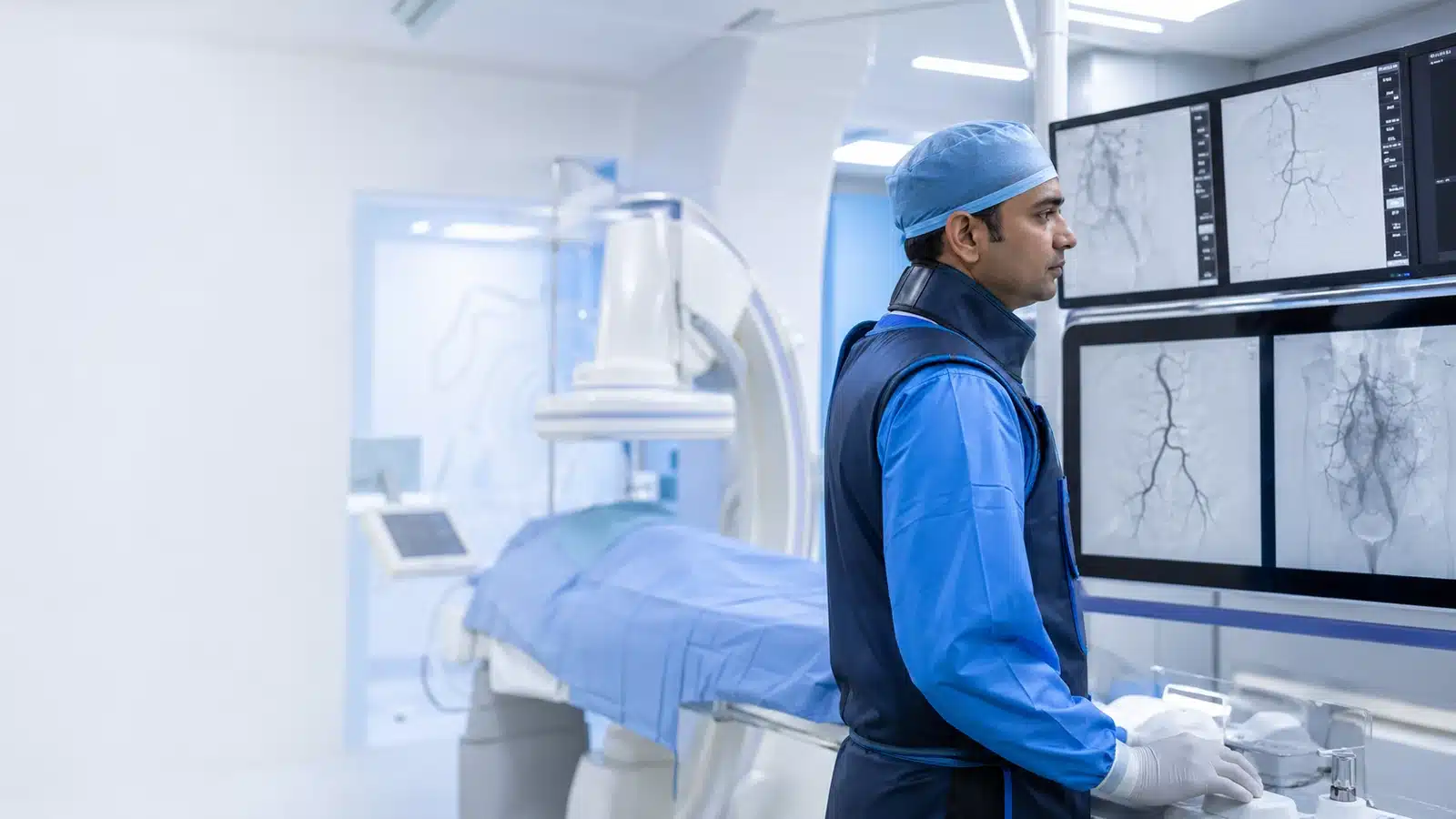
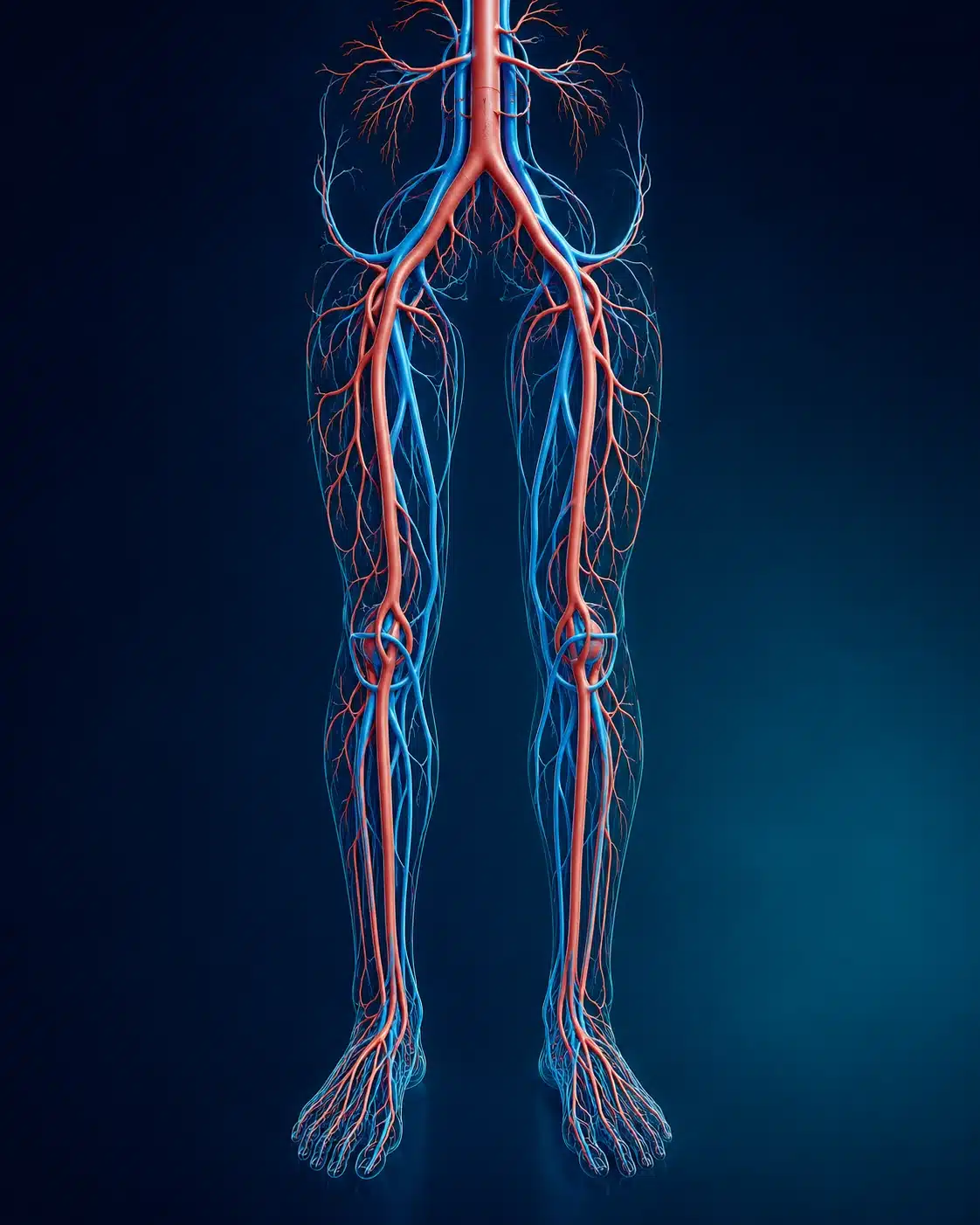
These medical visuals show the anatomy, treatment target and image-guided route involved in GI Bleeding Embolization . The actual procedure plan is based on the patient’s scans, symptoms and overall health.
Signs and symptoms
Evaluation & planning
A precise, image-guided pathway
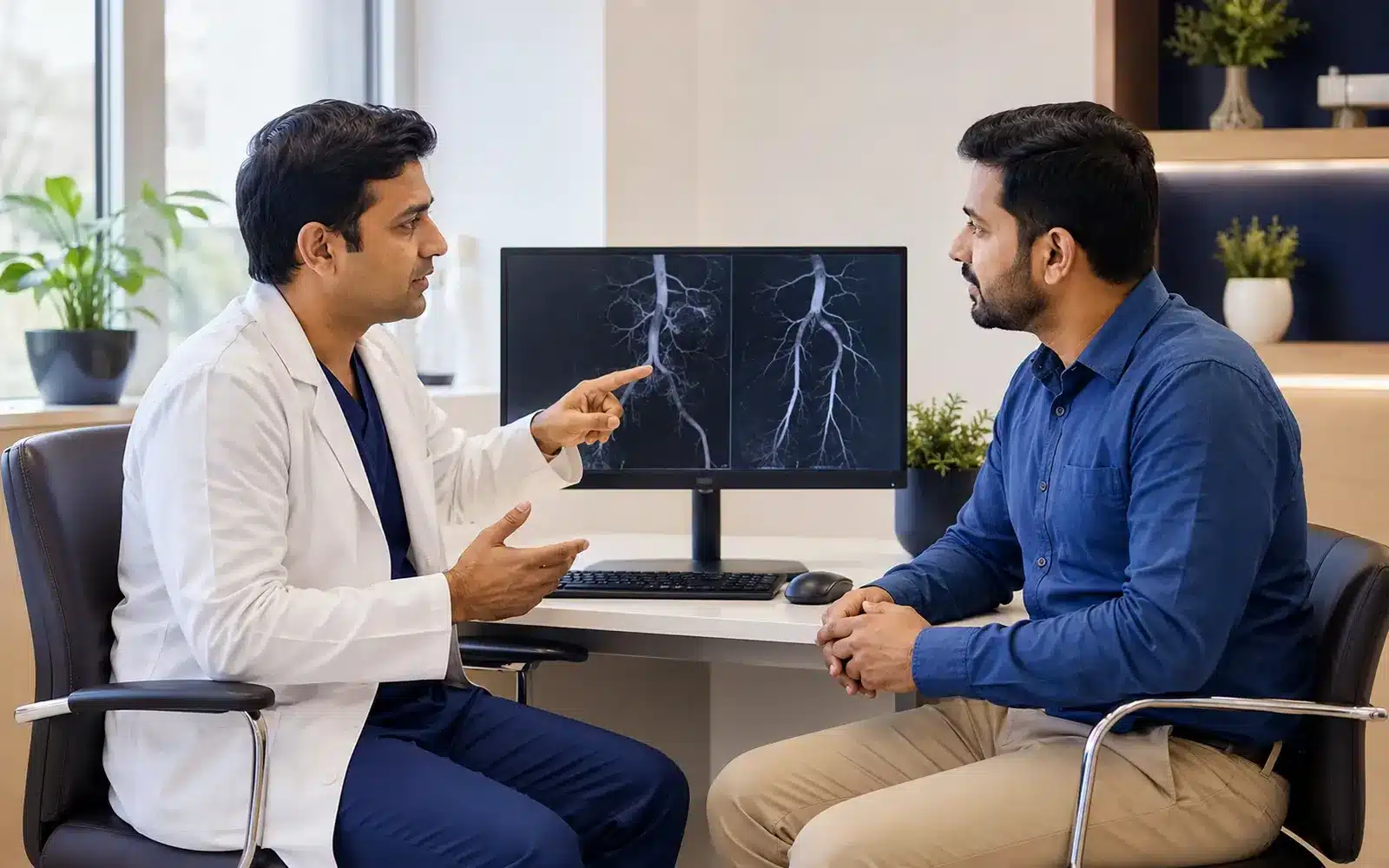
During GI Bleeding Embolization , imaging helps the interventional radiologist follow the anatomy, position the catheter or needle and confirm the treatment target. The exact technique and devices are chosen for the patient’s diagnosis and scan findings.
Arterial access is obtained.
Angiography identifies or localises the source.
A microcatheter reaches the target branch.
Embolic material seals the bleeding vessel.
Recovery and follow-up
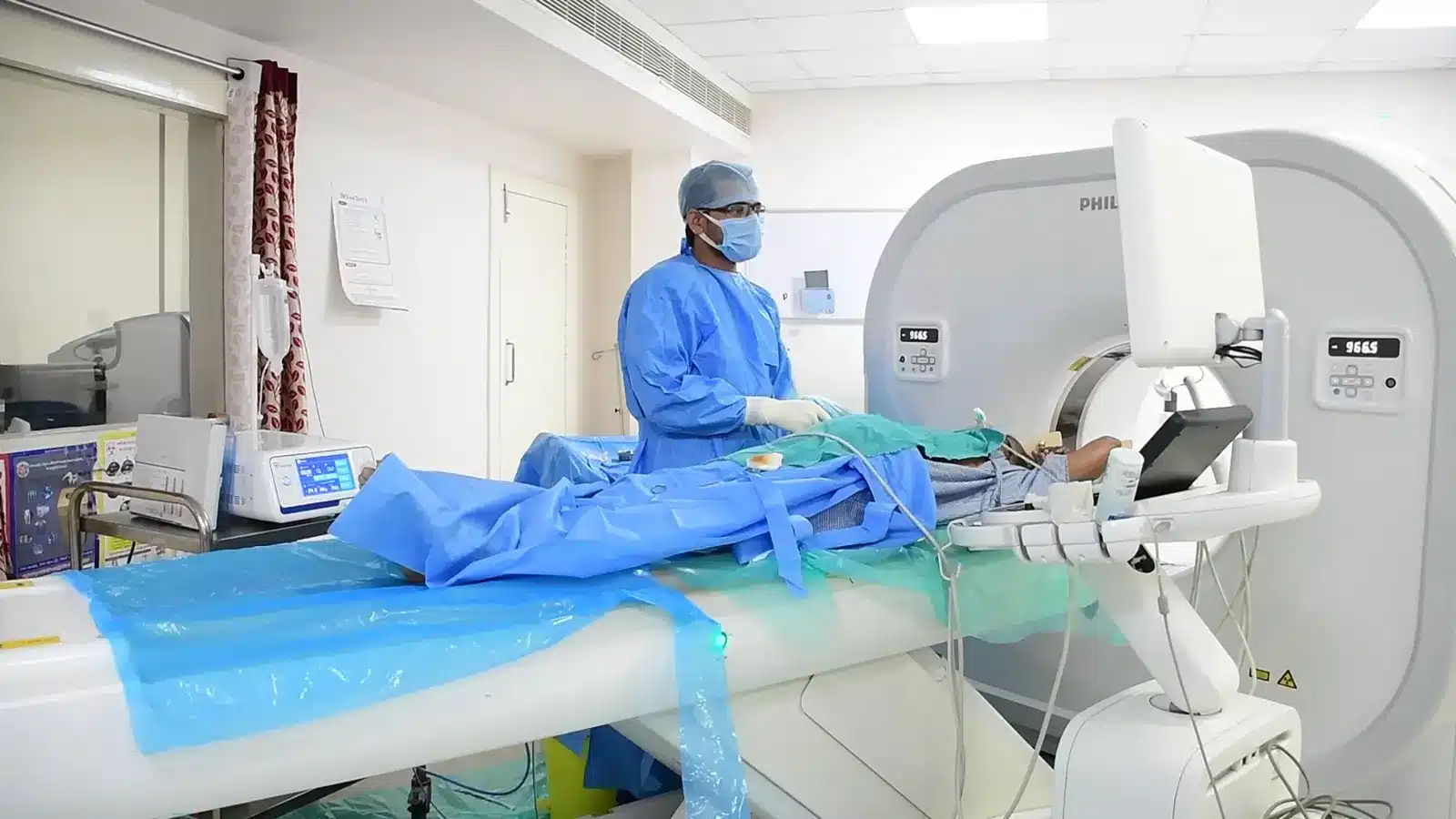
Vitals, haemoglobin, abdominal symptoms and access site are monitored. Rebleeding may require repeat endoscopy, embolisation or surgery. New severe abdominal pain needs urgent review.
After gastrointestinal bleeding embolization, monitoring includes blood pressure, haemoglobin, abdominal symptoms and the access site. Bleeding can recur and require repeat endoscopy, embolization or surgery. Risks include vessel injury, contrast reaction, kidney injury and reduced blood supply to bowel. New severe abdominal pain, recurrent blood loss, faintness or fever needs urgent assessment. Follow-up also treats the underlying cause. Learn about other image-guided procedures or the treating vascular and interventional radiologist.

Meet Dr. M. Bhavani Shankar Manam
MBBS, MD, DNB (Radio Diagnosis), FIVR
Consultant Vascular & Interventional Radiologist with experience across vascular, non-vascular and oncological image-guided procedures and more than 3,000 cases. Every treatment plan begins with a review of symptoms, reports and imaging, followed by a clear discussion of suitable options.
Frequently asked questions
These answers are general and cannot determine your suitability without clinical review.
Often endoscopy is first, but the order depends on stability, bleeding site and CT findings.
Rebleeding is possible, especially when the underlying cause persists.
Coils, particles, temporary agents or liquid embolics may be selected according to vessel and cause.
You may also want to understand
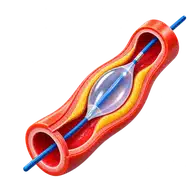
Peripheral Angioplasty
Peripheral angioplasty is a minimally invasive treatment used in selected patients to reopen narrowed or blocked arteries, mo …
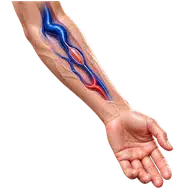
Fistuloplasty
Fistuloplasty is an angioplasty performed to widen a narrowed dialysis fistula or graft. By improving blood flow through the …
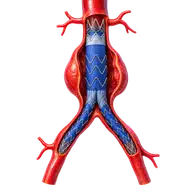
Aorta Stenting
Aortic stent-graft repair is a minimally invasive treatment for selected aortic aneurysms, dissections and injuries. A fabric …