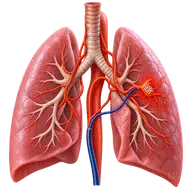
Uterine fibroids in a young woman
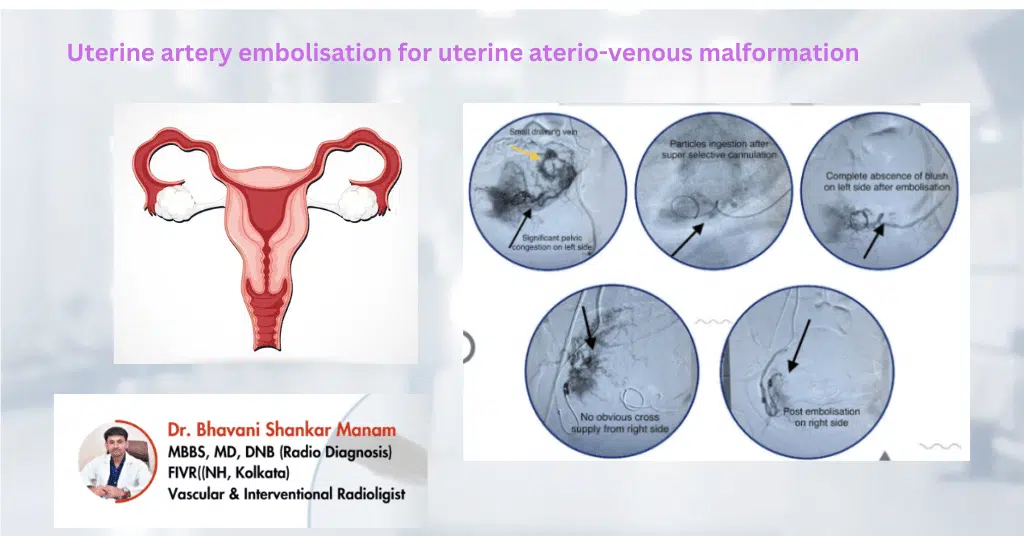
The clinic’s original article describes a 30-year-old woman with abdominal pain and six to seven uterine fibroids. Concerns about treatment and future fertility were part of her assessment. The account describes her decision to undergo uterine artery embolisation (UAE).
What uterine artery embolisation does
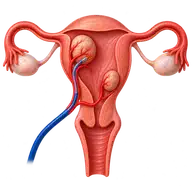
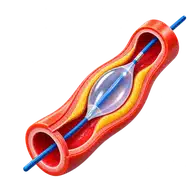
UAE uses an imaging-guided catheter to deliver small particles into the arteries supplying fibroids. Reducing their blood supply can lead to shrinkage and improvement in symptoms over time. It is a uterus-preserving procedure, but uterus preservation is not the same as a guarantee of fertility.
Fertility and treatment choice
Future pregnancy plans need an individual discussion with a gynaecologist and vascular/interventional radiologist. The effects of UAE on fertility and pregnancy are uncertain, and it should not be promoted as more fertility-preserving than surgery. Myomectomy or other management may be more appropriate for some women.
What the original account reports
The patient reported a reduction in abdominal pain and other fibroid-related symptoms after embolisation. The article does not provide a documented later pregnancy outcome. Symptom improvement must not be interpreted as evidence that fertility was preserved.
Risks, alternatives and follow-up
Discuss pain after treatment, infection, possible effects on ovarian function, persistent symptoms and the possibility of another procedure. Assessment includes the fibroids’ size and location, symptoms and relevant imaging. Follow-up checks recovery and symptom response and may include repeat imaging.
Fibroid consultation in Vijayawada
Bring previous scans, blood tests and a record of medicines or procedures already tried. Read the uterine fibroid embolisation guide for a fuller comparison of options, or arrange a consultation at Vascular Interventions Clinic.