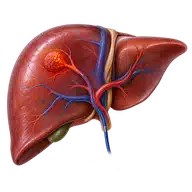
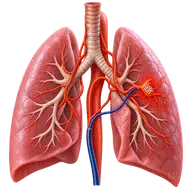
A hepatic artery pseudoaneurysm is a contained leak from an artery supplying the liver. It may follow an injury, a procedure or inflammation and can cause serious internal bleeding. Hepatic artery embolisation uses imaging to target the affected blood vessel. Treatment is planned according to the anatomy, the source of bleeding and the patient’s condition.
Recognising a possible bleeding emergency
Vomiting blood, black stools, sudden abdominal pain, dizziness, fainting or collapse requires emergency care. Do not delay assessment to arrange a routine appointment. CT angiography may identify the bleeding vessel and help plan treatment.
Angiography and selective treatment
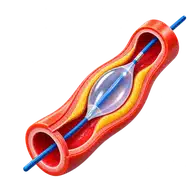
During angiography, a catheter is guided through an artery towards the liver blood supply. Contrast images show the pseudoaneurysm and nearby branches. A small catheter may then be advanced closer to the target. The team chooses coils, a suitable liquid embolic such as medical glue, or another technique according to the findings.
What embolisation aims to achieve
The aim is to stop blood entering the pseudoaneurysm while limiting damage to surrounding tissues. Final angiography checks the immediate result. An apparently successful angiogram does not remove the need for observation or follow-up, and recurrent bleeding may require another procedure or surgery.
Risks and care after treatment
Risks include access-site bleeding, vessel injury, contrast reactions, infection, rebleeding and unintended embolisation. Reduced blood supply can injure liver tissue or bile ducts. The team considers other sources of liver blood supply when selecting treatment. Monitoring may include blood counts, liver tests and repeat imaging.
Vascular consultation in Vijayawada
For a planned review after discharge, bring the original CT images, procedure report, recent blood tests and medication list. Read about embolisation for gastrointestinal bleeding and the clinic’s vascular services. Contact the clinic for follow-up arrangements; suspected active bleeding needs emergency hospital care.